The Incredible World of Boiled Eggs: More Than Just a Snack!
Welcome to the ultimate boiling experience! Whether you are a morning person or a midnight snacker, the humble boiled egg is your best friend. But did you know that boiling an egg is a mix of high-level physics and culinary art? From the tiniest speckles to the richest yolks, every egg has a story to tell. Let's dive into the "sunny" side of history and science!
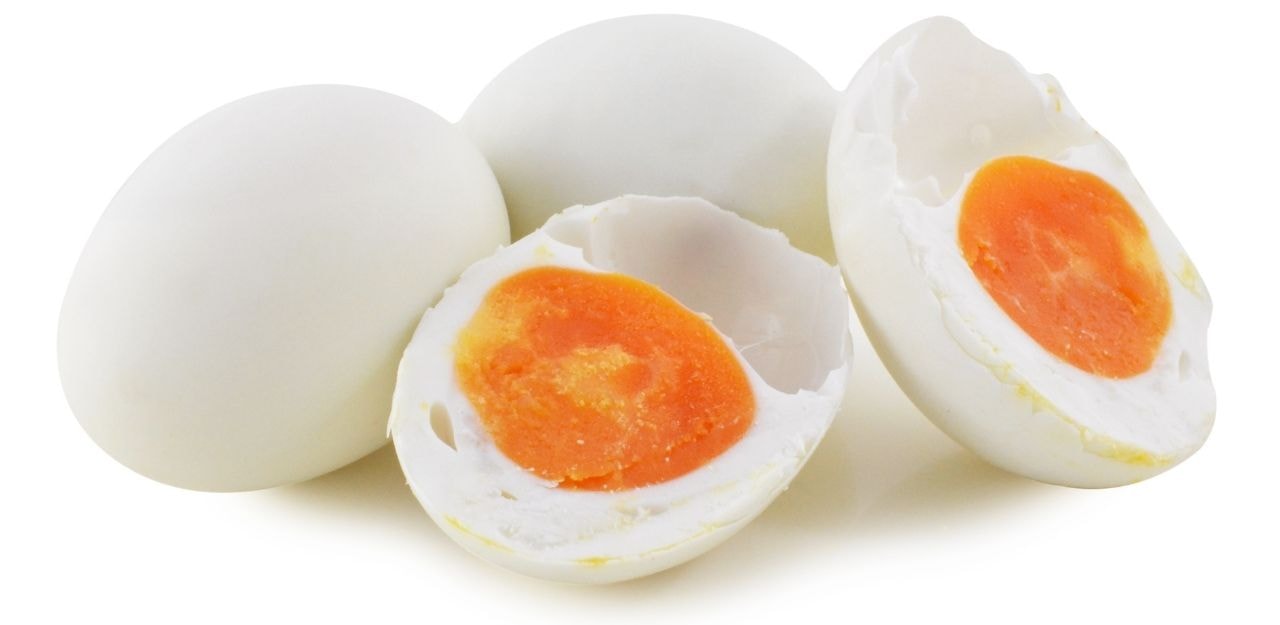
The undisputed champion of the breakfast table!
Did you know?
An average chicken egg contains about 6 grams of high-quality protein. It's like a tiny, natural protein shake in a shell!
The Science:
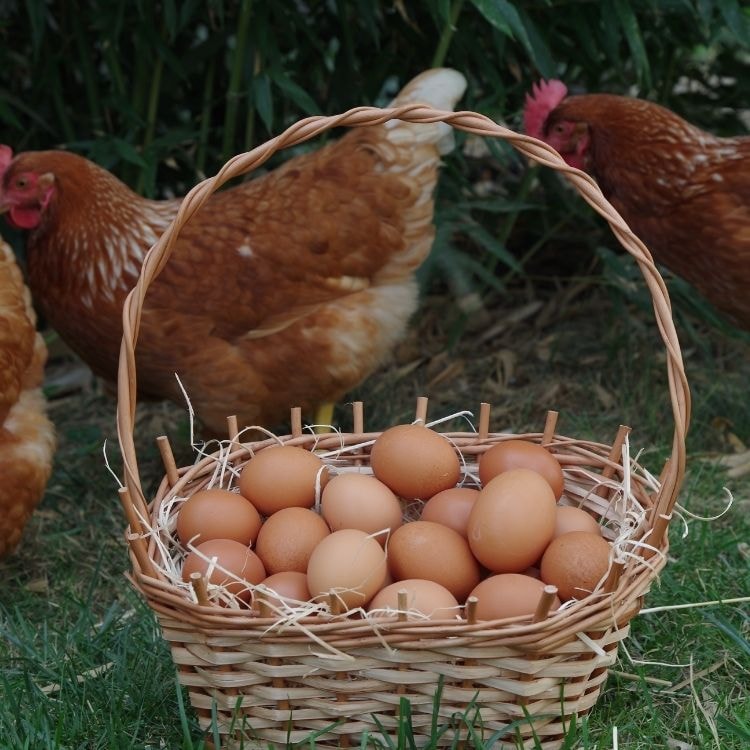
The color of the shell (white or brown) actually depends on the breed of the chicken, not the nutrition.
The Secret:
Want the perfect peel? Using eggs that are a few days old (rather than farm-fresh) makes them much easier to peel after boiling!
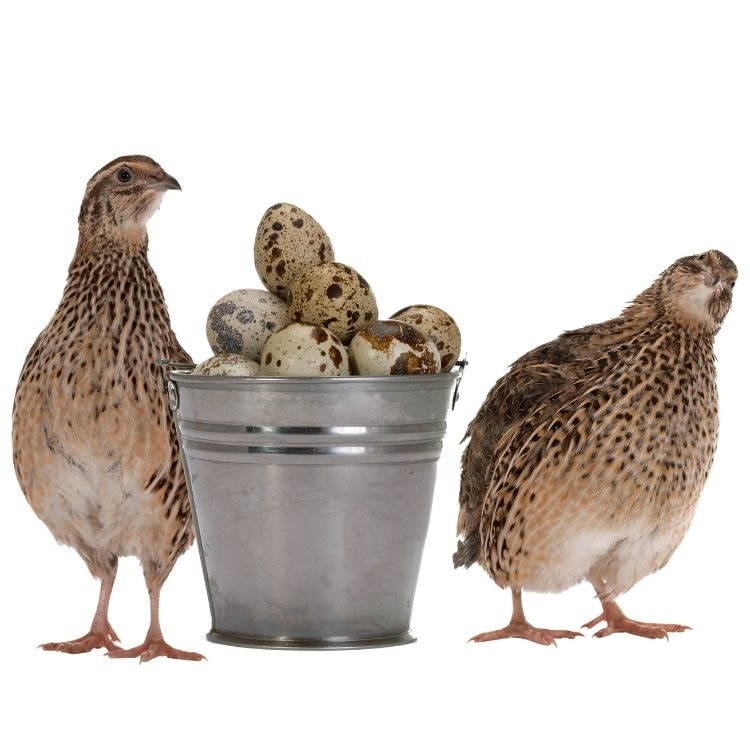
Small in size, but a giant in nutrition! These beautiful, speckled gems are the "superfoods" of the bird world.
Fun Fact:
It takes about 3 to 4 quail eggs to equal the weight of one chicken egg, but they contain much more Vitamin B12!
The Vibe:
In many cultures, quail eggs are considered a delicacy and are often used as fancy appetizers. They boil in just 2-3 minutes—blink and you might overcook them!
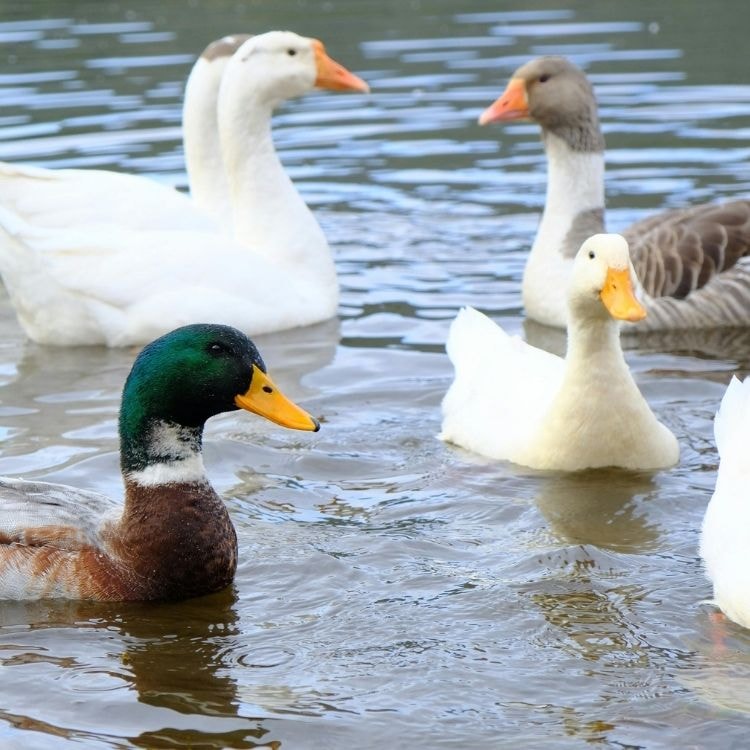
Looking for something extra rich and creamy? The duck egg is your go-to.
The Difference:
Duck eggs have a thicker shell and a larger yolk-to-white ratio. This means more healthy fats and a much richer flavor.
Baker's Secret:
Professional bakers love duck eggs because their higher protein content in the whites makes cakes fluffier and more stable.
Pro Tip:
Because the shell is thicker, they stay warm longer. Be careful when you start peeling!
If you see a greyish-green ring around your yolk, don't panic! It's just a harmless chemical reaction between the sulfur in the white and the iron in the yolk. It usually means the egg was boiled a bit too long. This is exactly why you are using Digieggs, right? 😉